RPCS3
Screenshots
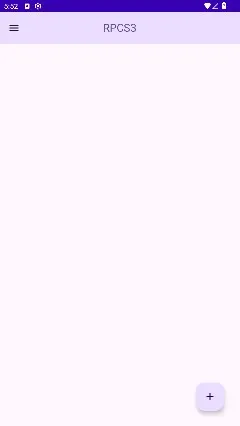
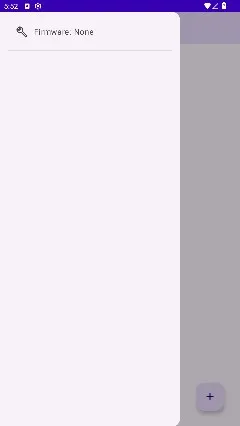
RPCS3 represents the pinnacle of PlayStation 3 emulation technology. For years, gamers have used this software to play classic titles on high-end computers. However, the conversation has recently shifted toward mobile hardware. Enthusiasts want to know if they can run their favorite console exclusives on a handheld device. While the software was originally built for the x86 architecture, the demand for a mobile version continues to grow. This transition poses several technical challenges. Developers must bridge the gap between desktop processors and mobile chipsets.
Understanding the Architecture of RPCS3
The core design of the PS3 relies on the Cell Broadband Engine. This hardware is notoriously difficult to mimic. Even modern computers struggle with the complex SPUs found inside the console. To make RPCS3 function on a different operating system, the code requires a complete overhaul.
Mobile devices use ARM architecture. In contrast, standard PCs use x86 architecture. This means the emulator cannot simply be “moved” to a phone. Every line of code needs translation or recompilation. Consequently, the development process is slow and requires immense precision.
The Current State of RPCS3 Development
Many people search for a direct port of this emulator for their smartphones. Currently, the official team focuses mainly on Windows, Linux, and macOS. They prioritize stability and compatibility on these platforms first. However, the open-source nature of the project allows others to experiment.
Some third-party developers have attempted to create layers that allow desktop software to run on mobile chips. These projects are experimental. They often result in low frame rates or graphical glitches. While the dream of playing AAA titles on a phone is exciting, the software is not yet ready for general use on these portable systems.
Hardware Requirements for RPCS3 Performance
If a functional version of RPCS3 arrives for mobile users, the hardware demands will be extreme. Emulation is not like running a native app. It requires the device to simulate an entirely different set of hardware components.
- Processor Power: You would need a flagship chipset with high clock speeds.
- Thermal Management: Emulation generates massive amounts of heat.
- RAM Capacity: The system would likely require at least 8GB to 12GB of memory.
- GPU Support: The device must support advanced Vulkan drivers.
Without these specifications, the software would crash instantly. Most mid-range phones would likely fail to boot the simplest 2D games.
Challenges with RPCS3 Graphics Rendering
Graphics remains a major hurdle for any emulator. The PS3 used an NVIDIA-based RSX Reality Synthesizer. Mapping those instructions to a mobile GPU is a nightmare for programmers. Most mobile chips use Adreno or Mali graphics. These do not always support the specific extensions required by the emulator.
Furthermore, shaders cause significant lag. On a PC, the CPU handles much of this workload. On a mobile device, the shared memory between the CPU and GPU creates a bottleneck. This results in “stuttering” during gameplay. Developers must find a way to optimize these shaders so they run smoothly on a battery-powered device.
Optimizing RPCS3 for Modern Mobile Chips
To make RPCS3 viable on a portable scale, massive optimization is necessary. Developers would need to implement “Just-In-Time” (JIT) compilation specifically for ARM. This allows the software to translate PS3 code into mobile-friendly instructions on the fly.
Transitioning to a mobile environment also requires a new user interface. You cannot use a mouse and keyboard on a small screen easily. Virtual touch controls and Bluetooth controller support must be integrated into the core build. This adds another layer of complexity to the project. Every update to the mobile operating system could also break compatibility, requiring constant maintenance.
Conclusion
The journey of RPCS3 toward mobile compatibility is a fascinating technical challenge. While a stable, official version does not exist today, the progress in mobile hardware is promising. Modern chips are becoming more capable every year. Eventually, the gap between a desktop and a smartphone will close. Until then, fans must remain patient. Emulation is a marathon, not a sprint. The community continues to push the boundaries of what is possible. One day, you might see your favorite console classics running in the palm of your hand. For now, enjoy the progress made on the desktop front as it paves the way for future innovations.